
Table of Contents
- What Was Operation Sindoor?
- The Pahalgam Attack
- How India Executed ?
- Drone Warfare and Air Defence
- Cyber Warfare and Information Battles
- India’s Defence-Tech Push
- Strategic Lessons From Operation Sindoor
- Final Thoughts
What Was Operation Sindoor?
Operation Sindoor was India’s largest coordinated military response since the 1971 war. Conducted on the night of May 6–7, 2025, the operation targeted terror infrastructure across Pakistan and Pakistan-Occupied Kashmir after the deadly Pahalgam terror attack.
Unlike earlier cross-border operations, Operation Sindoor combined:
- Precision air strikes
- Drone warfare
- Electronic warfare
- Cyber operations
- Satellite intelligence
- Multi-service military coordination
The operation lasted around 88 hours and became a defining moment in India’s evolving military doctrine.
External Reference:
https://www.orfonline.org/
Indian Air Force Operations During Operation Sindoor


The Pahalgam Attack That Triggered
The events leading to Operation Sindoor began on April 22, 2025, when terrorists attacked tourists in the Baisaran Valley near Pahalgam in Jammu and Kashmir. The attack killed 26 civilians and shocked the nation.
India responded quickly. Emergency security meetings were held within hours, while military assets were repositioned along the western border. Intelligence agencies linked the attackers to Pakistan-backed terror groups operating across the Line of Control.
The incident became the immediate trigger for Operation Sindoor and significantly escalated tensions between India and Pakistan.
External Reference:
https://www.un.org/
Pahalgam and Kashmir Security Situation


How India Executed
At approximately 1:44 AM on May 7, India launched coordinated strikes against multiple terror infrastructure sites.
Reported target locations included:
- Bahawalpur
- Muridke
- Muzaffarabad
- Kotli
- Bhimber
The operation relied heavily on:
- Precision-guided munitions
- S-400 air defence systems
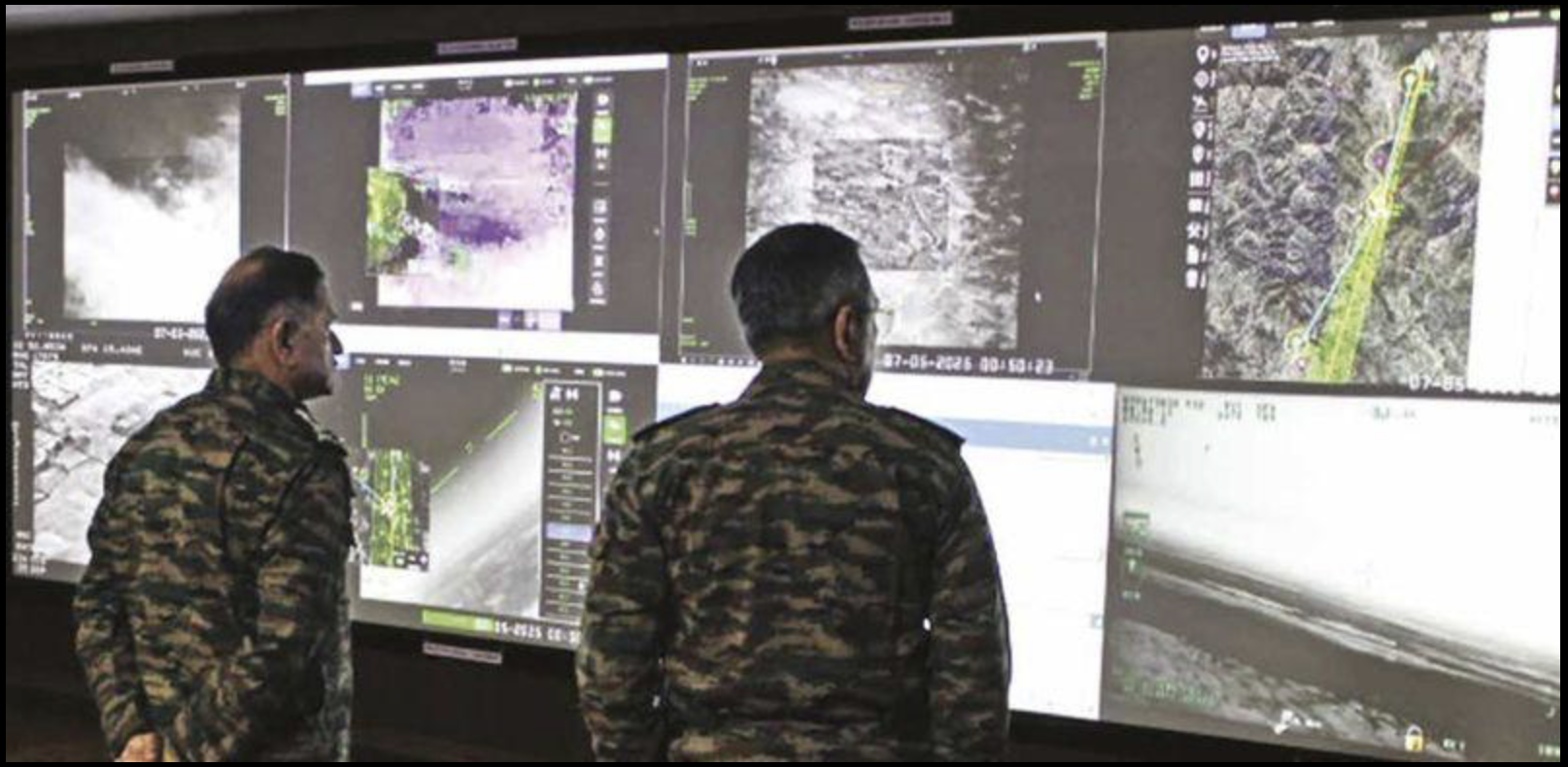
- Real-time intelligence gathering
- Drone surveillance
- Electronic jamming systems
One of the most discussed aspects of Operation Sindoor was India’s strategic deployment of the S-400 air defence system. Military analysts noted that missile batteries were frequently repositioned to avoid detection and confuse enemy surveillance systems.
External Reference:
https://thediplomat.com/
S-400 and India’s Air Defence Systems


Drone Warfare and Air Defence
Defence analysts described Operation Sindoor as one of the world’s first large-scale drone conflicts involving two nuclear-armed countries.
Pakistan reportedly deployed hundreds of drones during the 88-hour confrontation. Many of these drones were designed to overwhelm India’s air defence systems and force expensive interceptor responses.
India responded using:
- Nagastra-1 loitering munitions
- Switch UAV systems
- FPV tactical drones
- Counter-UAS technologies
The conflict also exposed the growing importance of low-cost drone warfare in modern military strategy.
External Reference:
https://www.indiasentinels.com/
Drone Warfare During Operation Sindoor


Cyber Warfare and Information Battles
Modern warfare is no longer limited to missiles and fighter jets. During Operation Sindoor, cyber warfare and digital propaganda played a major role.
Both sides reportedly engaged in:
- GPS spoofing
- Electronic jamming
- Cyber defence operations
- Information warfare campaigns
- Online misinformation battles
The conflict demonstrated how social media and digital narratives can influence public perception during military crises.
India also accelerated AI-enabled intelligence and satellite surveillance systems after the operation.
External Reference:
https://www.basicint.org/
Cyber Warfare and Electronic Defence Systems

India’s Defence-Tech Push After Operation Sindoor
The aftermath of Operation Sindoor accelerated India’s defence modernization efforts.
The government increased investments in:
- Indigenous drones
- Counter-drone systems
- AI-enabled military systems
- Electronic warfare technology
- Defence manufacturing
Indian defence companies such as:
- ideaForge
- Zen Technologies
- Solar Industries
- Paras Defence
gained significant attention after the operation.
The conflict also strengthened India’s push for self-reliance in defence production.
External Reference:
https://www.investindia.gov.in/
India’s Growing Defence Technology Sector


Strategic Lessons From Operation Sindoor
Several major lessons emerged from the conflict.
1. Drone Warfare Is the Future
Cheap drones can challenge even advanced military systems.
2. Cyber Defence Is Essential
Digital infrastructure is now part of the battlefield.
3. Multi-Domain Warfare Is the New Standard
Modern conflicts combine air, cyber, drone, and information warfare simultaneously.
4. Indigenous Defence Production Matters
Countries cannot depend entirely on foreign systems during long conflicts.
5. Air Defence Systems Are Critical
Layered air defence helped India neutralize incoming threats effectively.
Final Thoughts
One year later, Operation Sindoor remains one of the most significant military developments in South Asia in recent decades.
The operation was not simply a retaliatory strike. It represented a major evolution in India’s military doctrine, combining precision warfare, drone operations, cyber defence, and strategic coordination across multiple domains.
Whether Operation Sindoor permanently changes regional deterrence dynamics remains uncertain. However, it unquestionably reshaped how future conflicts in South Asia will be planned and executed.