
Imagine waking up without a paycheck, scrambling for food stamps that might not come, or watching your dream vacation to a national park vanish into thin air—all because leaders in Washington can’t agree on basics. This isn’t a nightmare; it’s the harsh reality for millions right now, as the U.S. government shutdown hits a staggering 41 days on November 10, 2025. What started as a budget battle has morphed into a human crisis, leaving families desperate and the nation questioning if unity is just a forgotten word. But amid the chaos, glimmers of hope flicker in the Senate—could this be the turning point, or just another false dawn?
Roots of the Crisis: Echoes from Past Shutdowns and Unyielding Laws
Government shutdowns have scarred American history like recurring wounds, each one deeper than the last. Remember the 2018-2019 fiasco under President Donald Trump’s first term? That 35-day ordeal, fueled by demands for border wall funding, cost the economy $11 billion and left 800,000 workers in limbo, according to the Congressional Budget Office. Or the 2013 shutdown, lasting 16 days, which zeroed in on defunding the Affordable Care Act (ACA) and delayed everything from home loans to flu vaccines. Fast forward to today: this shutdown, ignited on October 1, 2025, stems from failed appropriations bills for the new fiscal year, with Republicans pushing deep spending cuts and Democrats fighting to preserve health care protections.At the core lies the Antideficiency Act of 1884, a strict federal law that forbids agencies from spending without Congress’s green light. Updated in the 1980s to add teeth, it forces “non-essential” operations to stop cold, while essential roles—like border security or air traffic control—continue unpaid. This isn’t just policy; it’s people. With Trump back in office after his 2024 victory, the standoff revives old tactics, but now spotlights expiring ACA subsidies from the 2021 American Rescue Plan Act, which have kept premiums affordable for over 20 million Americans. Without extension, families could face hikes of 50% or more, per health experts.
Senate’s Desperate Weekend Gamble: Talks Heat Up, But No Breakthrough Yet
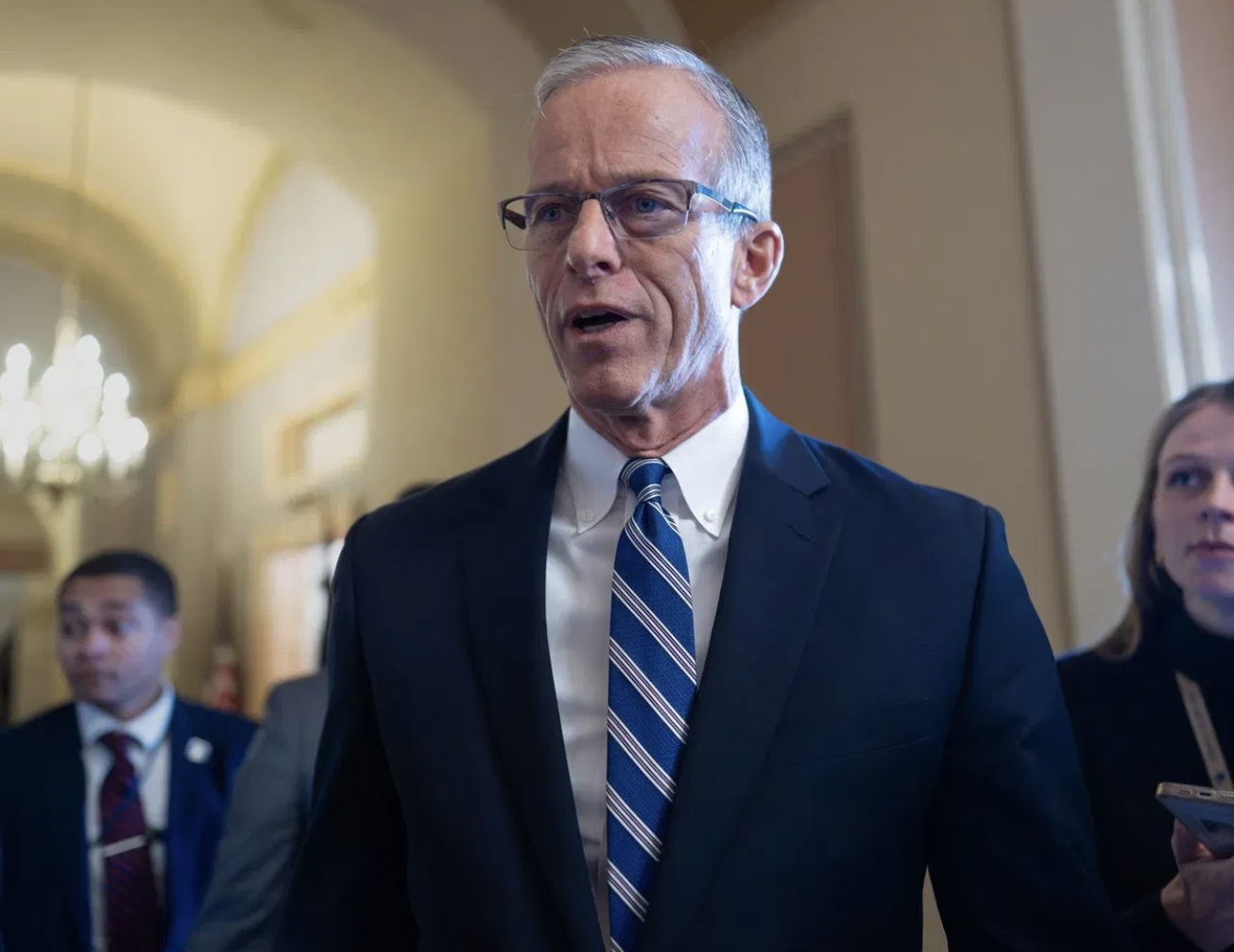
Lawmakers didn’t rest this weekend, hauling into the Capitol for a rare Sunday session on November 9—their second this year—starting around noon. Senate Majority Leader John Thune aimed to rally votes for advancing a House-passed continuing resolution (CR), a temporary fix to keep lights on through January 30, 2026. Tacked on: three full-year funding bills for veterans’ affairs, agriculture, and the legislative branch, including boosts like $203.5 million for congressional security in the wake of the January 6, 2021, attack and $852 million for Capitol Police. A handful of centrist Democrats signaled openness to the package, potentially providing the eight votes needed to bust the 60-vote filibuster in the Senate. But as party caucuses wrapped and bill texts dropped, no actual vote happened—talks dragged on without a deal. Republicans swatted away a Democratic proposal from Senate Minority Leader Chuck Schumer to reopen first and negotiate later, insisting on their terms. The White House, while not blocking the framework, has Trump pushing alternatives like direct subsidy payments to people, not insurers, branding the ACA a “total failure.”
The Human Cost: From Empty Wallets to Grounded Planes
This isn’t abstract politics—it’s shattering lives. About 750,000 federal employees are furloughed, many turning to food banks or side gigs to survive. Airports are in turmoil: over 190 flights canceled on November 10 alone, piling onto hundreds from prior days, as understaffed controllers strain under the load. SNAP benefits, vital for 42 million low-income folks, face cuts; the Trump administration ordered states to trim November aid, sparking hunger fears. Economically, it’s a bloodbath. White House advisers estimate a 1.5% GDP dent already, risking a recessionary quarter if it lingers. National parks, museums, and even IRS refunds sit idle, mirroring the $3 billion tourism blow from 2019. Unpaid workers, some essential like FBI agents, drain savings—echoing stories from past shutdowns where families skipped bills or holidays.
Fractured Voices: Progressives Dig In, Centrists Waver
Division runs deep. Progressives like Sen. Bernie Sanders blast the deal as a “betrayal,” fearing it sells out health care for vague promises. House Democrats, led by Minority Leader Hakeem Jeffries, vow resistance without firm ACA extensions. On the flip side, GOP voices like Sen. Lindsey Graham predict a swift end, claiming the shutdown has boomeranged on Democrats. State leaders, including governors-elect, plead for relief amid local economic hits.
Latest Pulse: Stalemate Persists on November 10, Hope Fades but Lingers
As of November 10, 2025, the shutdown grinds on into day 41 with no resolution from yesterday’s efforts. The Senate’s package hangs in limbo, needing Democratic buy-in and then House approval—where skepticism reigns—before Trump’s desk. Progressives could stall with objections, demanding unanimous consent to fast-track. With Thanksgiving nearing, the pressure cooker intensifies, but without compromise on health care and worker reinstatements, this historic pain shows no sign of easing. Will leaders finally put people first, or let the suffering drag on? The nation waits, hearts heavy.