Introduction
The India S-400 missile defence system is reshaping South Asia’s security environment in a significant way. With the fourth S-400 squadron arriving in 2026, India is strengthening a layered air defence architecture designed not only to intercept threats but to prevent them altogether.
This development marks a turning point in how aerial warfare and deterrence operate in the region. The India S-400 missile defence system is not just another military asset. It represents a long-term strategic shift.
Table of Contents
- What is the India S-400 missile defence system
- Key statistics and performance
- Western sector deployment impact
- Layered defence integration
- Geopolitical implications
- Deterrence explained
- Future outlook
What Is the India S-400 Missile Defence System


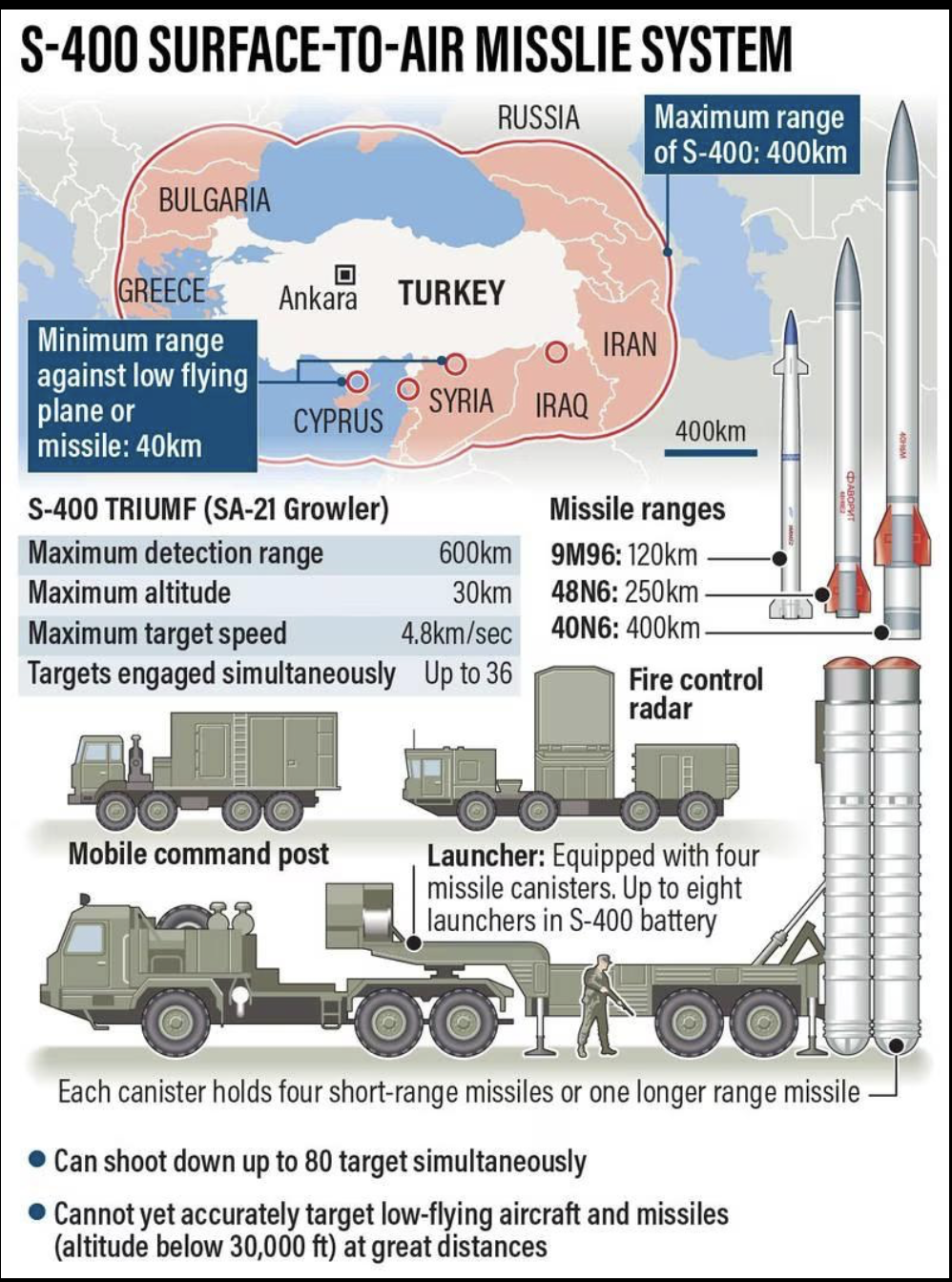
The system is a long-range surface-to-air missile platform developed by Russia. It is capable of detecting aerial threats at distances of up to 600 km and engaging them at ranges of up to 400 km.
The system uses three types of interceptor missiles:
- 40N6E for long-range targets
- 48N6E for medium-range threats
- 9M96E2 for agile, short-range interception
This layered capability allows the India S-400 missile defence system to engage aircraft, cruise missiles, UAVs, and even certain ballistic missiles simultaneously.
For technical background, refer to
👉 https://missilethreat.csis.org/system/s-400/
Key Statistics and Performance of Defence System
The performance of the India S-400 missile defence system is defined by its impressive operational metrics:
| Metric | Value |
|---|---|
| Contract Value | $5.43 Billion |
| Squadrons Ordered | 5 |
| Delivered (2026) | 3 + 4th en route |
| Max Range | 400 km |
| Radar Detection | 600 km |
| Targets Tracked | 160 |
| Targets Engaged | 80 |
These capabilities make it one of the most advanced air defence systems currently deployed.
Performance Comparison


When compared globally:
- S-400: 400 km range
- Patriot PAC-3: 160 km
- HQ-9: 200 km
- Barak-8: 70 km
The India S-400 missile defence system clearly leads in range and engagement capability. For global comparisons:
👉 https://www.sipri.org/databases/armstransfers
Western Sector Deployment Impact


The deployment of the India S-400 missile defence system in the western sector creates overlapping coverage zones. This ensures there are no gaps in detection or interception capability.
This approach follows the concept of anti-access/area denial (A2/AD), where adversaries are discouraged from entering defended airspace due to high risk. This aligns with anti-access/area denial (A2/AD) doctrine:
👉 https://www.britannica.com/topic/anti-access-area-denial
Layered Defence Integration


The India S-400 missile defence system works as part of a broader defence network:
- Akash missile system (short range)
- MR-SAM / Barak-8 (medium range)
- S-400 system (long range)
Each layer increases interception probability and overall system resilience. Official defence overview:
👉 https://mod.gov.in/
Geopolitical Implications
The India S-400 missile defence system has also influenced global geopolitics. The purchase triggered concerns under U.S. sanctions laws, but enforcement was avoided due to India’s strategic importance.
India has maintained its position on strategic autonomy, continuing defence cooperation with Russia despite global pressure. More context:
👉 https://www.state.gov/caatsa/
How Deterrence Works


The India S-400 missile defence system operates on deterrence:
- Early detection of threats
- High probability of interception
- Increased risk for adversaries
- Reduced likelihood of attack
This is known as deterrence by denial.
Future Outlook
With all five squadrons expected by the end of 2026, the India S-400 missile defence system will form the backbone of India’s air defence strategy.
Future developments include:
- Indigenous long-range systems
- Ballistic missile defence
- Integrated command and control networks
India’s goal is to build a fully self-reliant defence ecosystem.