Iran Gulf security conflict has reshaped the Middle East in ways that go far beyond a typical regional escalation. Iran Gulf security conflict is no longer a contained confrontation but a defining shift in how Iran interacts with Gulf Cooperation Council (GCC) states.
Rather than a temporary crisis, Iran Gulf security conflict signals a structural transformation in regional security. The old balance, built on deterrence and cautious diplomacy, has fractured. What replaces it is still unfolding, but one thing is clear: stability can no longer be taken for granted. Iran Gulf security conflict is shaping military, economic, and geopolitical decisions across the Middle East.
Table of Contents
- The Silence After the Storm
- A War That Redefined the Battlefield
- Iran Gulf Security Conflict Strategy Behind Targeting the Gulf
- Iran Gulf Security Conflict and the Collapse of Trust
- Why the Iran Gulf Security Conflict Is Structural, Not Situational
- Strategic Options for the Future
- Gulf Response and Its Limits
- Iran Gulf Security Conflict: A Point of No Return
- Conclusion
The Silence After the Storm


Ceasefires often create a misleading sense of calm. Missiles stop, markets stabilize, and diplomatic language returns. But the Iran Gulf security conflict reveals that beneath this calm lies a deeper instability.
This recent confrontation did not simply test the system. It broke it. Gulf states now face a new reality where threats are not episodic but persistent. The ceasefire has paused the violence, but it has not restored trust. The Iran Gulf security conflict marks a structural shift in regional security dynamics.
A War That Redefined the Battlefield
How the Iran Gulf Security Conflict Expanded
A defining feature of the Iran Gulf security conflict was its geographic expansion. Instead of limiting retaliation to direct adversaries, Iran deliberately widened the battlefield.
Approximately 83% of strikes targeted GCC nations. Over 660 attack events hit key infrastructure such as ports, airports, and energy facilities.
This was not collateral damage. It was a calculated shift designed to increase regional pressure and broaden the cost of conflict. The Iran Gulf security conflict transformed localized tensions into a regional security crisis.
Iran Gulf Security Conflict Strategy Behind Targeting the Gulf


Iran’s actions in the Iran Gulf security conflict followed a coherent strategy built on three key pillars:
Economic Disruption
The Gulf is central to global energy supply. By targeting infrastructure, Iran amplified the economic consequences of conflict worldwide.
Political Leverage
Strikes on GCC states increased internal pressure on their governments to push for de-escalation through diplomatic channels.
Maritime Control
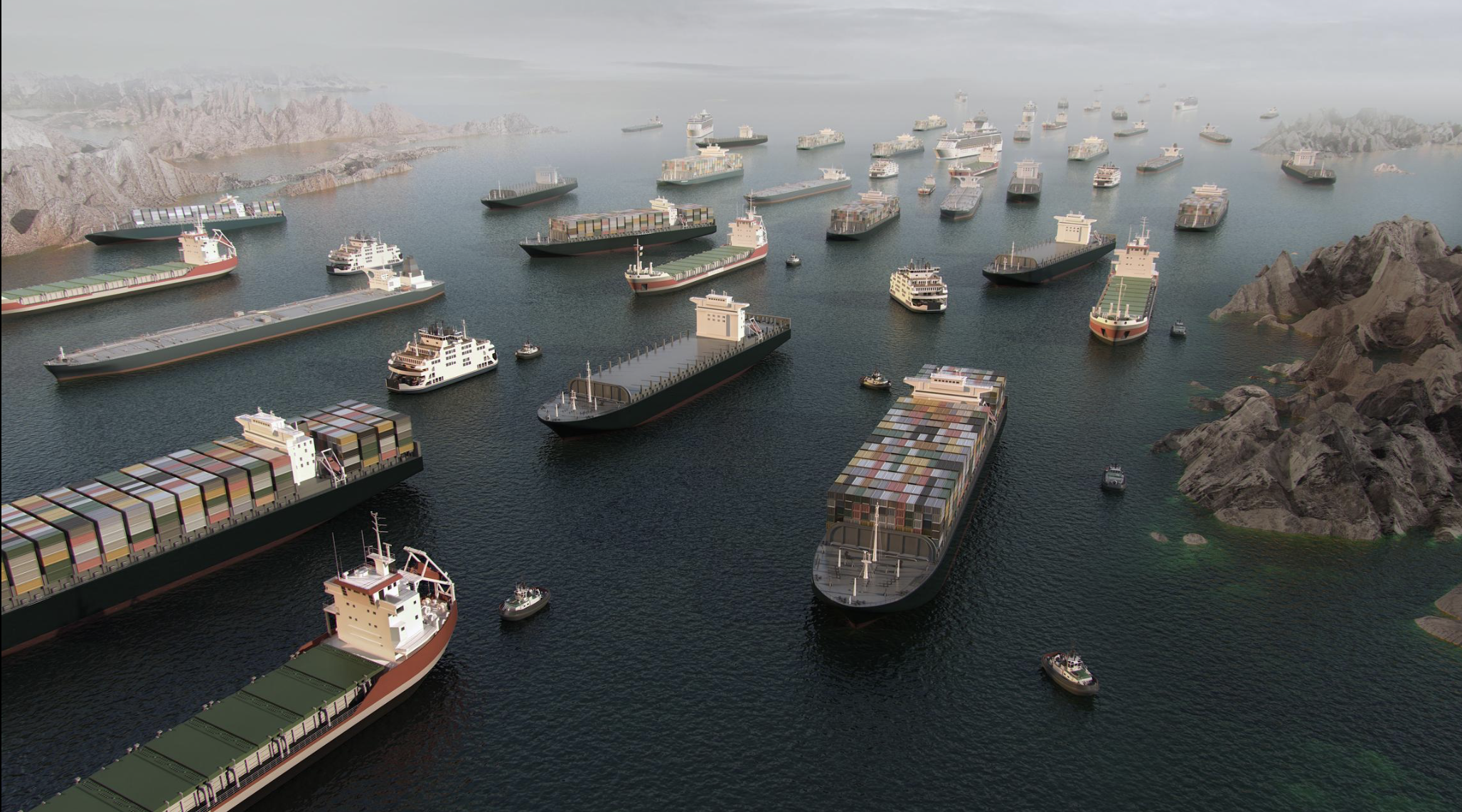
The Strait of Hormuz became a tool of coercion. Over 230 oil tankers and 800 commercial vessels were stranded, disrupting global trade flows.
For deeper context, refer to the International Energy Agency (DoFollow: https://www.iea.org).
Iran Gulf Security Conflict and the Collapse of Trust
The most lasting consequence of the Iran Gulf security conflict is the collapse of trust.
Iran demonstrated a willingness to strike neighboring countries regardless of their involvement. This undermines a long-standing principle of regional coexistence.
For Gulf states, the implications are serious:
- Major cities remain within missile range
- Critical infrastructure is continuously exposed
- Economic confidence is under strain
Trust is not easily rebuilt once broken at this scale. The Iran Gulf security conflict has permanently altered regional threat perceptions.
Why the Iran Gulf Security Conflict Is Structural, Not Situational
Why the Iran Gulf Security Conflict Will Persist
The Iran Gulf security conflict is not a temporary escalation. It reflects a deeper strategic framework that includes:
- Asymmetric warfare tactics
- Proxy networks across the region
- Advanced missile and drone capabilities
- Control over key maritime chokepoints
These elements are not reactive tools. They are central to Iran’s long-term strategy.
As long as these capabilities remain intact, instability will continue. The Iran Gulf security conflict will remain a defining issue for regional security in the coming decade.
For broader analysis, see the Council on Foreign Relations (DoFollow: https://www.cfr.org).
Strategic Options Moving Forward
Responses to the Iran Gulf Security Conflict
Three main approaches are shaping current discussions:
Internal Transformation
A shift in Iran’s internal political and strategic direction. While ideal, it remains uncertain.
Strategic Containment
Limiting Iran’s capabilities through coordinated military and economic measures.
Long-Term Erosion
Gradually weakening Iran’s ability to project power through sustained pressure.
Each option carries trade-offs, but returning to the previous status quo is no longer realistic. The Iran Gulf security conflict continues to influence military and economic decisions across the Gulf.
Gulf Response and Its Limits
Gulf nations have responded to the Iran Gulf security conflict with notable resilience:
- Expanded missile defense systems
- Strengthened alliances with global partners
- Diversified energy export routes
- Increased investment in infrastructure security
These measures have improved defensive capabilities.
However, Iran’s strategy focuses on endurance. Even limited attacks can create ongoing disruption, making purely defensive strategies insufficient in the long run. The Iran Gulf security conflict highlights the limits of defensive-only approaches.
Iran Gulf Security Conflict: A Point of No Return
The Iran Gulf security conflict marks a clear turning point.
Iran is no longer viewed as a manageable regional actor. Instead, it is increasingly seen as a persistent strategic threat.
This shift will influence:
- Regional alliances
- Defense spending
- Energy security strategies
- Global geopolitical alignments
The implications extend far beyond the Gulf. The Iran Gulf security conflict is redefining long-term regional stability.Experts agree the Iran Gulf security conflict will remain central to regional security challenges for years to come.
Conclusion
The Iran Gulf security conflict is not just another chapter in Middle Eastern tensions. It represents a fundamental transformation in regional security dynamics.
The ceasefire may have reduced immediate violence, but it has not resolved the underlying issues. The strategic model driving this conflict remains intact.
Future stability will depend on whether regional and global actors recognize the depth of this shift and respond with long-term strategies rather than short-term solutions.
The region has crossed a threshold, and there is no easy path back. Ultimately, the Iran Gulf security conflict represents a long-term challenge, not a temporary crisis.Ultimately, the Iran Gulf security conflict represents a long-term challenge, not a temporary crisis.