The UAE to exit OPEC and OPEC+ decision is set to take effect on May 1, 2026, and it could reshape the global oil market in ways few expected. As one of the world’s top oil producers, the United Arab Emirates stepping away from coordinated production agreements signals a major shift toward independent energy strategy.
This move comes amid rising geopolitical tensions, fluctuating oil prices, and growing competition among major energy players.
Table of Contents
- UAE to Exit OPEC and OPEC+: Key Reasons
- What is OPEC?
- What is OPEC+?
- 7 Shocking Impacts on Global Oil Markets
- Data and Statistics
- What It Means for You
- Final Thoughts
Why UAE to Exit OPEC and OPEC+ Is Happening
1. Freedom to Increase Oil Production
Under OPEC quotas, the UAE was limited to about 3.4 million barrels per day, despite having a production capacity close to 4.8 million barrels per day. Exiting allows the country to maximize output.
2. Long-Term Economic Strategy
The UAE aims to diversify and strengthen its economy by gaining full control over its oil production policies.
3. Regional and Political Tensions
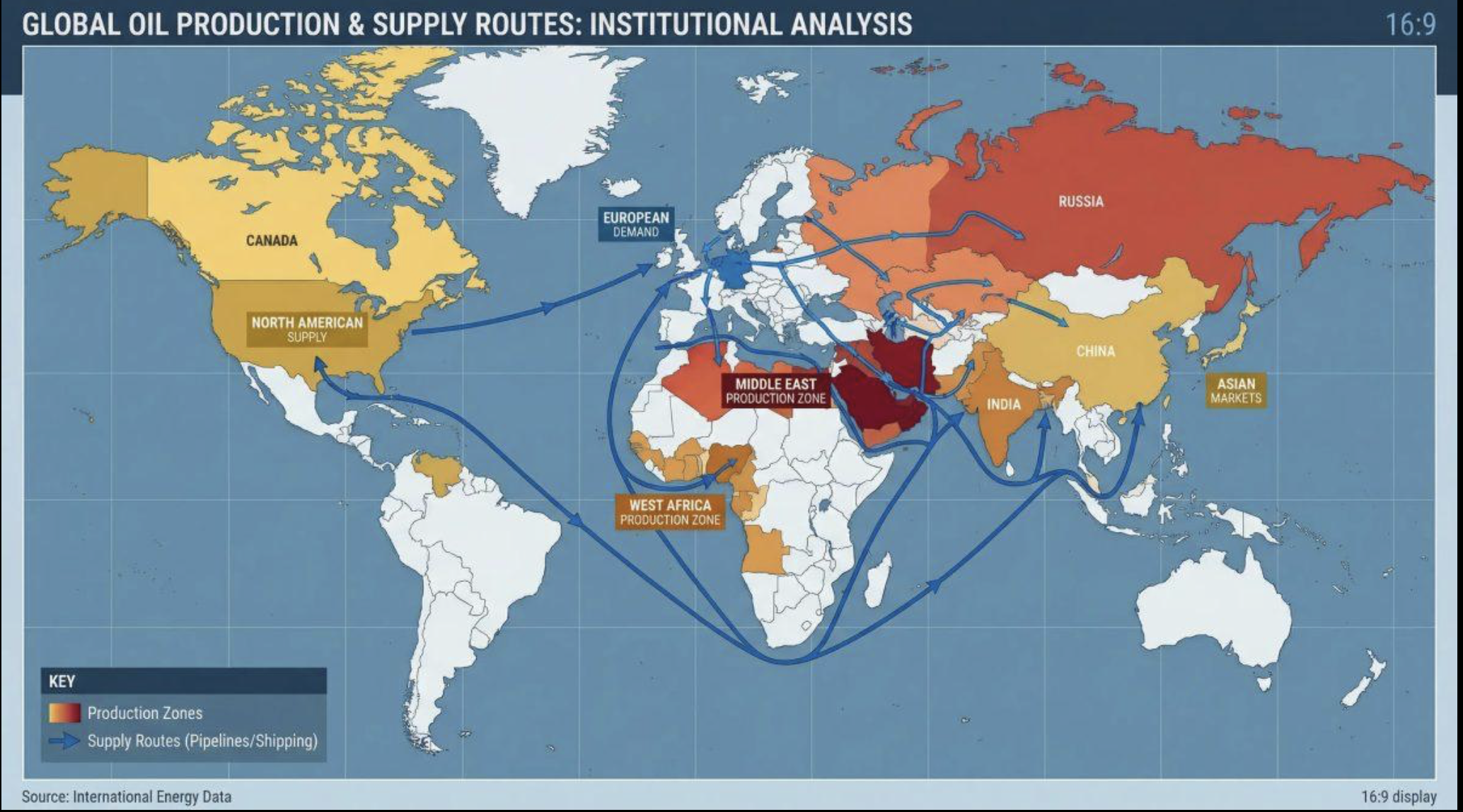
Differences with key OPEC members and instability in critical oil routes like the Strait of Hormuz have accelerated this decision.According to recent reports from Reuters, oil price volatility has increased significantly in 2026.
4. Strategic Independence
The UAE wants flexibility to respond quickly to global demand without being tied to group decisions.
What is OPEC? Understanding Its Global Role


The Organization of the Petroleum Exporting Countries (OPEC) is a powerful oil alliance formed in 1960.
Key Facts About OPEC
- Founding countries: Iran, Iraq, Kuwait, Saudi Arabia, Venezuela
- Headquarters: Vienna, Austria
- Controls a large share of global oil supply
- Uses production quotas to influence oil prices
OPEC has historically acted as a price stabilizer, adjusting supply to manage global markets.
What is OPEC+ and Why It Matters
OPEC+ is an expanded alliance formed in 2016, combining OPEC members with major non-OPEC producers like Russia.
Key Features of OPEC+
- Controls over 40% of global oil production
- Coordinates production cuts during crises
- Stabilized markets during the COVID-19 demand collapse
The UAE to exit OPEC and OPEC+ weakens this coordinated system.
7 Shocking Impacts of UAE to Exit OPEC and OPEC+


1. Reduced OPEC Control
Losing the UAE weakens OPEC’s ability to control global oil supply.
2. Increased Oil Production
The UAE can now produce at full capacity, potentially increasing global supply.
3. Oil Price Volatility
Markets may experience short-term instability as traders react to the shift.
4. New Global Energy Alliances
Countries may form new partnerships outside OPEC frameworks.
5. Pressure on High-Cost Producers
More supply could reduce profitability for expensive oil producers.
6. Limited Short-Term Impact
Immediate effects may remain moderate due to existing supply disruptions.
7. Long-Term Market Transformation
Over time, this could reshape global oil power dynamics.
Data and Statistics Behind UAE to Exit OPEC and OPEC+
- UAE production capacity: ~4.8 million barrels/day
- Current OPEC quota: ~3.4 million barrels/day
- OPEC+ controls: ~40% of global oil supply
- Oil passing through Hormuz: ~20% of global supply
These numbers highlight why the UAE wants full control over its production.
What UAE to Exit OPEC and OPEC+ Means for You
The impact goes beyond the oil industry:
- Fuel prices could fluctuate
- Inflation may rise in some economies
- Energy investments may shift globally
Whether you’re a consumer, investor, or policymaker, this move matters.
Final Thoughts on UAE to Exit OPEC and OPEC+
The UAE to exit OPEC and OPEC+ marks a turning point in global energy history. While short-term effects may be limited, the long-term implications could redefine how oil markets operate.
This is not just a policy change, it is a shift toward a more competitive and unpredictable energy future.