
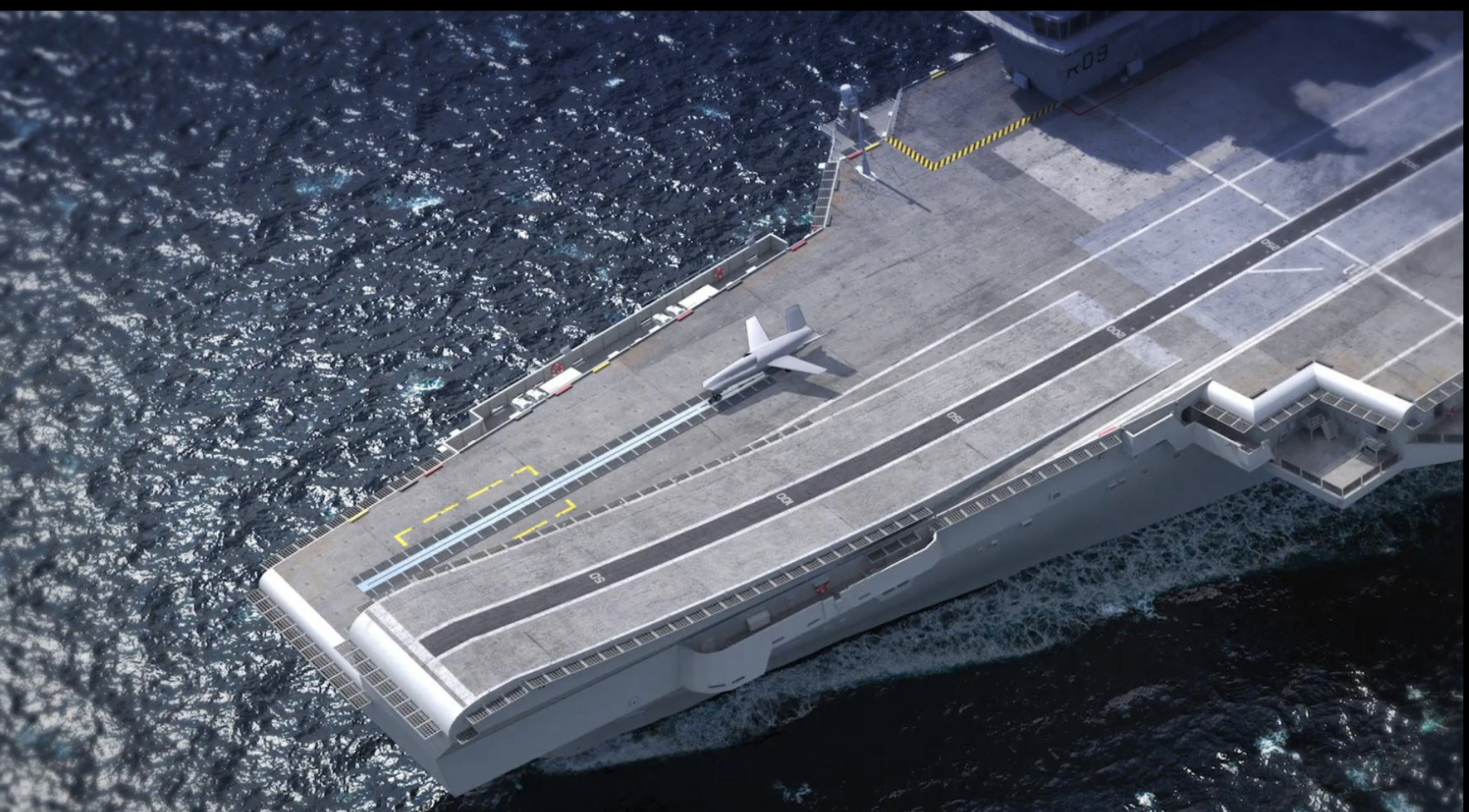
InIndia Navy EMLS is changing the way modern warships operate, and most people haven’t even noticed yet. This advanced electromagnetic launch system allows naval ships to deploy drones, munitions, and projectiles without relying on traditional fuel-based methods.
Instead of explosions or compressed air, it uses pure electrical force. That single shift opens the door to faster, safer, and more flexible naval operations.
Table of Contents
- What Is India Navy EMLS
- Working
- Key Benefits of India Navy EMLS
- Real-World Uses
- Challenges and Limitations
- Why India Navy EMLS Matters Globally
- Future of Naval Warfare
What Is India Navy EMLS
The India Navy EMLS project is focused on developing a compact electromagnetic launch system for ships like frigates and destroyers. Unlike traditional systems, it removes the need for rocket boosters or pneumatic launchers.
This means fewer risks, lower maintenance, and greater adaptability. According to official defense innovation programs, this system is part of a larger push to modernize naval capabilities.
In simple terms, it allows ships to launch multiple types of payloads using a single system.
Working


The working principle is based on electromagnetic force.
Here’s how it works:
- Energy is stored in capacitors
- A high-energy pulse is released instantly
- Magnetic force accelerates the payload
- The object launches at high speed
This method eliminates combustion entirely. It is cleaner, quieter, and more efficient.
For more technical insights, you can explore electromagnetic systems explained by NASA.
https://www.nasa.gov (electromagnetic systems and advanced propulsion research)
Key Benefits of India Navy EMLS
The system offers several advantages that make it stand out.
Faster Launch Speed
Payloads can be deployed within seconds, improving response time.
Multi-Purpose Use
One launcher can handle drones, munitions, and defense projectiles.
Reduced Logistics
No fuel or compressed gas means simpler supply chains.
Enhanced Safety
Lower risk compared to explosive launch systems.
These benefits make it highly practical for modern naval missions.
Real-World Uses of India Navy EMLS


Surveillance Operations
Ships can launch drones to monitor large areas beyond radar range.
Precision Strikes
Loitering munitions allow targeted attacks without expensive missiles.
Anti-Drone Defense
Fast projectiles can intercept incoming drone threats effectively.
This makes India Navy EMLS a flexible and powerful system for multiple missions.
Challenges and Limitations
Despite its advantages, India Navy EMLS faces several engineering challenges.
- Managing high power requirements
- Controlling heat generated during launches
- Ensuring compatibility with different payloads
- Maintaining safety in compact ship environments
These challenges are significant, but solving them will unlock major capabilities.
Why India Navy EMLS Matters Globally


The India Navy EMLS initiative reflects a broader shift in global naval strategy.
Instead of building larger ships, countries are focusing on smarter technologies. This system allows smaller ships to perform tasks that previously required larger platforms.
India’s approach also includes startups and innovation programs, speeding up development and encouraging new ideas.
Future of Naval Warfare
The India Navy EMLS system represents the next step in naval evolution.
Future warships will likely:
- Deploy drones instantly
- Handle multiple missions with one system
- Defend against drone swarms efficiently
As modern conflicts increasingly rely on unmanned systems, technologies like this will become essential.
You can also [Read more about related topic] to understand how drone warfare is shaping defense strategies.
For broader context on electromagnetic launch advancements, refer to this detailed resource from U.S. Navy.
Conclusion
The India Navy EMLS project is more than just a technological upgrade. It is a shift toward smarter, more adaptable naval warfare.
By combining speed, flexibility, and efficiency, it positions India to meet future maritime challenges effectively.
If successfully implemented, this system could redefine how naval battles are fought worldwide.