The Strait of Hormuz crisis is rapidly becoming one of the most dangerous global flashpoints today.
A fragile ceasefire that began on April 7 is still holding—but only just. Behind the scenes, tensions are rising, negotiations are failing, and both sides are preparing for what could come next.
Why the Crisis Matters
The crisis is not just about politics—it’s about control of one of the most important trade routes on Earth.The Strait of Hormuz crisis is affecting global oil markets.
- Nearly 20% of global oil supply passes through this narrow waterway
- Around 20 million barrels per day flow through it
- A major portion of global LNG exports depend on this route
When this route is disrupted, the entire world feels it.
Recent tensions have already reduced ship traffic dramatically, sending shockwaves through global energy markets.
What Triggered the Crisis
The crisis escalated after military strikes in late February, followed by a temporary ceasefire in April. While diplomacy briefly showed signs of progress, those efforts quickly collapsed.
Donald Trump canceled key negotiations, stating that Iran’s offer was insufficient. Meanwhile, Masoud Pezeshkian made it clear that Iran would not negotiate under pressure or restrictions.Experts warn the crisis could worsen.
This has created a deadlock:
- The U.S. is applying economic and military pressure
- Iran is using its control over the strait as leverage
Neither side is willing to step back.
Global Economic Impact of the Crisis


The Strait of Hormuz crisis is already affecting economies worldwide.
- Oil prices have surged past critical levels
- Fuel costs are rising for consumers
- Supply chains are facing delays and uncertainty
Countries heavily dependent on Gulf oil—especially in Asia—are experiencing inflation and economic pressure.
If the Strait of Hormuz crisis continues, global growth could slow significantly, echoing past oil shocks.At the center of the Strait of Hormuz crisis is control over energy routes.According to global energy data from the U.S. Energy Information Administration, the Strait handles a major share of world oil supply.
Military Tensions Are Rising
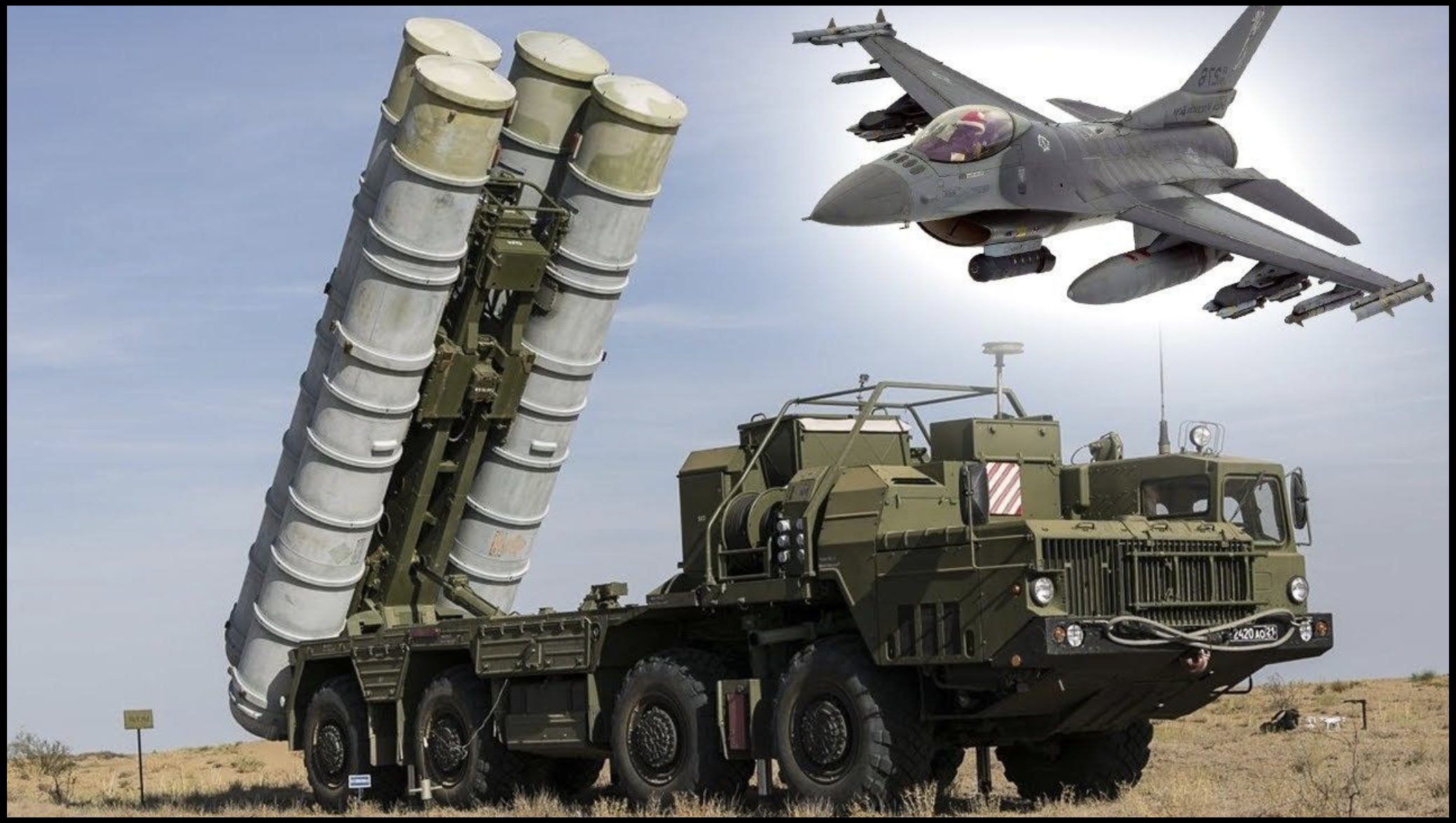
The crisis is not just economic—it is increasingly military.
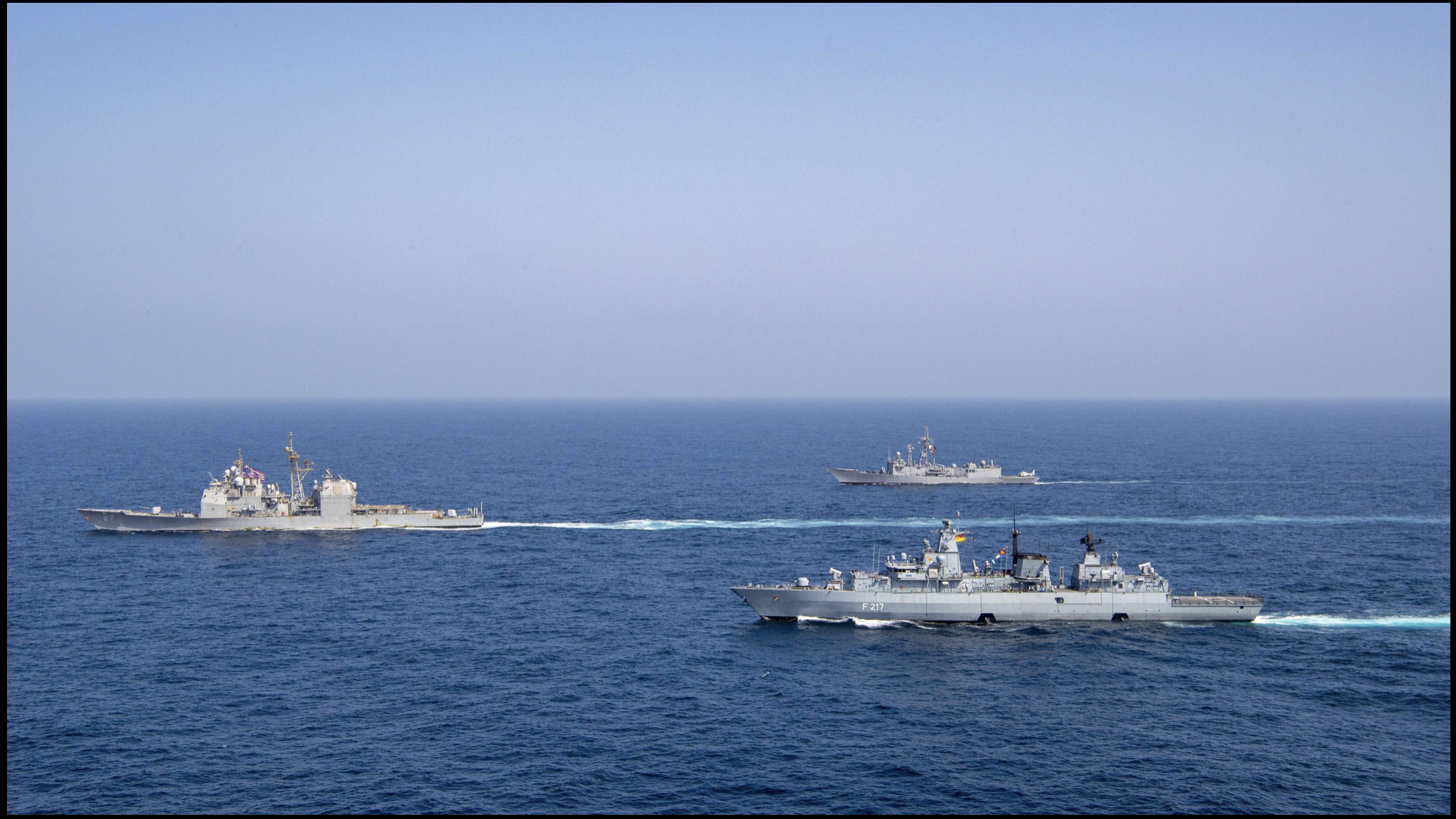
- Naval forces are on high alert
- Threats of retaliation are increasing
- Regional conflicts are expanding
Each move raises the risk of escalation. What makes this situation more dangerous is that both sides believe they hold the advantage.
Human Cost Behind the Strait of Hormuz Crisis
While markets focus on oil prices, the human impact is severe.
- Thousands of lives have been lost
- Millions are affected by instability
- Entire sectors of the economy are struggling
The longer the Strait of Hormuz crisis continues, the more people will feel its effects—not just in the region, but globally.
What Happens Next in the Strait of Hormuz Crisis
The future remains uncertain.
We are currently in a fragile state:
- Not full war
- Not real peace
Eventually, economic pressure or political reality will force a decision. Until then, the Strait of Hormuz crisis will remain a major risk to global stability.
Final Thoughts
The Strait of Hormuz crisis shows how a single geographic point can influence the entire world.
Energy, economy, and geopolitics are all connected here.
If tensions escalate further, the consequences will not stay local—they will impact fuel prices, food supply, and everyday life across the globe.
Why the Crisis Matters More Than Ever
The crisis is not just a regional conflict—it has global consequences that affect everyday life. From rising fuel prices to increasing inflation, the impact is already visible across multiple sectors.
If the situation continues, it could lead to long-term economic instability, making it one of the most important geopolitical events to watch today.

One thought on “Global Implications of the Strait of Hormuz Crisis”